
Post-Holiday Recovery: Managing Inflammation After Summer Celebrations
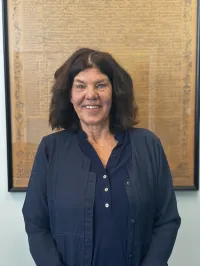
The week after July 4th is one of the more interesting weeks in a chiropractic clinic. Patients arrive with a predictable cluster of complaints: lower back tightness from hours of sitting at cookouts or in boats, neck stiffness from sleeping in a non-standard position at a beach rental, the systemic heaviness that follows several days of alcohol, processed food, sun exposure, and disrupted sleep. Most attribute these symptoms to the holiday activities themselves. The underlying driver is simpler: they spent 3-5 days systematically increasing their systemic inflammation, and now their nervous system is operating in a higher-load environment where existing vulnerabilities become symptomatic. Here is how Dr. Margie at Myrtle Grove Chiropractic approaches post-holiday inflammatory recovery.
What Happens to the Body During an Inflammatory Holiday
The standard July 4th activities stack inflammatory drivers in a way that would concern anyone looking at the biology:
Alcohol: Even moderate holiday alcohol consumption increases intestinal permeability within 24 hours, allowing endotoxin (lipopolysaccharide from gram-negative gut bacteria) to enter the bloodstream and trigger systemic inflammatory cytokine release. A 2019 review in Alimentary Pharmacology and Therapeutics found measurable intestinal barrier disruption from a single binge episode.
Processed food and high glycemic intake: Holiday foods — burgers, chips, potato salads with commercial mayonnaise, desserts — produce postprandial glucose spikes that trigger NF-kB inflammatory signaling and increase circulating advanced glycation end-products (AGEs), a primary driver of systemic inflammation.
UV exposure: Significant sunburn or even heavy UV exposure without burn activates cutaneous immune cells and produces systemic cytokine release — especially IL-6 and TNF-α — that adds to the total inflammatory burden.
Sleep disruption: Two or three nights of shortened or disrupted sleep consistently raises CRP, IL-6, and TNF-α in research studies, even without other inflammatory triggers. Sleep is when the brain's glymphatic system clears waste products. Disrupting it during a period of elevated peripheral inflammation compounds the central nervous system burden.
Physical activity changes: Some patients do more than usual (water sports, long walks on the beach). Others do less (hours sitting watching fireworks). Both patterns produce spinal loading changes. The transition into holiday activity patterns without preparation — then back to normal patterns abruptly — creates the acute joint stiffness that shows up in the clinic.
The Recovery Protocol: Five Days Back to Baseline
Day 1-2: Rehydration and gut barrier repair. Dehydration compounds inflammatory response. Target 80-100 oz of water in the first 48 hours. Add L-glutamine (5g daily) for gut barrier support if your gut took a hit. Avoid alcohol entirely — the liver needs 72+ hours to clear holiday-level alcohol metabolites and restore normal inflammatory regulation.
Day 2-3: Anti-inflammatory dietary reset. Shift to omega-3 rich foods (wild salmon, sardines, walnuts), cruciferous vegetables (broccoli, Brussels sprouts, cabbage), and berries. These are not just healthy foods — they are active anti-inflammatory agents through measurable NF-kB inhibition and inflammatory cytokine suppression.
Day 3-4: Sleep recovery protocol. Return to consistent sleep/wake timing. The circadian inflammatory regulatory cycle runs on clock gene expression — irregular timing disrupts the inflammatory suppression that normally occurs in deep sleep. Target 7.5-8.5 hours for the first week back.
Day 4-5: Spinal reset. The combination of holiday physical activity variability and systemic inflammation is when existing spinal restrictions become acutely symptomatic. A chiropractic adjustment during the first week after the holiday resets spinal joint mechanics before the inflammatory-physical combination has time to establish a new compensatory pattern.
The Chiropractic Component
Systemic inflammation lowers the activation threshold for spinal nociceptors — the pain-sensing nerve endings in joint capsules, ligaments, and discs. During periods of elevated inflammatory burden, the same joint restriction that was subclinical last week becomes actively painful. This is why patients who go months without symptoms arrive at the clinic after a holiday.
The adjustment during post-inflammatory recovery does two things: it addresses the mechanical restriction that has become symptomatic under inflammatory conditions, and it reduces the nociceptive input that is contributing to the sympathetic activation that is perpetuating the inflammatory state. It is the most efficient way to interrupt the self-reinforcing cycle.
Myrtle Grove Chiropractic has availability the week after July 4th. If the holiday left your back, neck, or whole system feeling off, schedule a post-holiday reset visit. Same-week appointments are available.
Frequently Asked Questions
Myrtle Grove Chiropractic & Acupuncture Center | Wilmington, NC
Got a question? You're not alone. Here are the most common questions we hear from patients in Wilmington and surrounding areas. Can't find your answer? Contact us at 5552 Carolina Beach Rd, Ste F, Wilmington, NC 28412.
Will you pressure me into long-term plans?
No. A good chiropractor recommends care based on your progress and goals, not sales quotas. You’ll never be pushed into prepaid packages.
Do you guarantee results?
No ethical provider guarantees outcomes. Instead, we give honest expectations and focus on steady, realistic improvement.
Will you explain what’s going on with my body?
Yes. You’ll receive clear explanations about your condition, treatment options, and what results you can expect.
Is my care personalized?
Yes. Every treatment plan is tailored to your health history, lifestyle, and specific concerns.
Do you do an exam before treatment?
Yes. We begin with a thorough assessment, health history, and appropriate testing before any adjustments.
Are you properly licensed?
Yes. Our credentials and licensure are current, transparent, and verifiable through the state board.
How do you know when I’m ready to reduce visits?
We base frequency on your progress, stability, and goals—not on contracts. Our goal is independence, not dependence.

5552 Carolina Beach Rd, Ste F
Wilmington, NC 28412
Phone: (910)-395-5664
Operating Hours
Monday - 8 AM–12 PM
2–6 PM
Tuesday - 8 AM–12 PM
2–6 PM
Wednesday - 8 AM–12 PM
2–6 PM
Thursday - 8 AM–12 PM
2–6 PM
Friday - Closed
Saturday - Closed
Sunday - Closed


