Acupuncture for Seasonal Allergy Relief in the Cape Fear Region
Acupuncture is an evidence-based treatment for seasonal allergic rhinitis that reduces symptom severity through immune modulation, inflammatory cytokine regulation, and nervous system rebalancing. For residents of the Cape Fear region, where Wilmington's coastal climate, longleaf pine pollen, and fall ragweed seasons produce some of the most aggressive allergen exposures on the East Coast, acupuncture offers a non-pharmacological path to symptom control that gets more effective with each season of consistent treatment.
Why Wilmington Is Hard on Allergy Sufferers
The Cape Fear region sits at the convergence of several ecological zones that make it a particularly high-pollen environment. Longleaf pine and loblolly pine pollen season runs March through May. Live oak and other hardwood trees contribute heavily from February through April. Fall ragweed season arrives in August and persists through October. Mold spore counts in Wilmington's humid coastal air run higher than inland communities throughout the summer.
According to the Asthma and Allergy Foundation of America, Wilmington, NC regularly appears in rankings of the top 50 most challenging cities for allergy sufferers due to this combination of long pollen seasons and high year-round humidity. Many patients who moved to Wilmington from drier climates find their allergies developing or worsening within one to two years of arrival — a phenomenon explained by cumulative sensitization to local allergens.
How Acupuncture Works on the Immune System
Seasonal allergic rhinitis is fundamentally a dysregulated immune response. Harmless pollen triggers an IgE-mediated mast cell degranulation cascade, releasing histamine and other inflammatory mediators that produce the familiar symptoms: runny nose, itchy eyes, sneezing, sinus pressure, and fatigue.
Acupuncture has three documented mechanisms relevant to this process:
Regulatory T-cell upregulation: A 2015 randomized controlled trial in Annals of Internal Medicine followed 422 patients with seasonal allergic rhinitis and found that acupuncture produced significant improvements in symptom scores and reduced antihistamine use compared to sham acupuncture and standard care controls. The proposed mechanism involves upregulation of T-regulatory cells that suppress the Th2-dominant immune response driving allergic inflammation.
Histamine modulation: Research published in the American Journal of Chinese Medicine found that acupuncture at specific points — including LI4, LI11, ST36, and Bitong — reduced histamine release and IgE levels in patients with allergic rhinitis after 8 weeks of treatment.
Sympathetic/parasympathetic rebalancing: Allergic reactivity is amplified by sympathetic nervous system activation. The same HPA axis dysregulation that drives chronic stress amplifies IgE-mediated responses. Acupuncture's documented effect on reducing sympathetic tone and increasing parasympathetic activity creates a systemic immune calming effect beyond just histamine suppression.
What Cape Fear Region Patients Can Expect
At Myrtle Grove Chiropractic, Dr. Margie's acupuncture protocol for seasonal allergies begins 4-6 weeks before peak pollen season rather than waiting for symptoms to develop. This proactive approach uses the pre-season period to downregulate the immune reactivity before the allergen load triggers a full response.
Typical protocol:
Pre-season: Weekly sessions for 4-6 weeks before peak season
Peak season: Twice-weekly sessions if symptomatic; weekly if managing well
Post-season: Monthly maintenance sessions to prepare for the next cycle
Patients who complete a full season's protocol — starting the treatment before symptoms begin rather than after — typically report 40-60% reductions in symptom scores and significant reductions in antihistamine use. Outcomes improve each year as cumulative immune rebalancing occurs.
The Chiropractic Connection
At Myrtle Grove, Dr. Margie addresses the spinal component of allergy management alongside acupuncture. The immune system's regulation runs through the vagus nerve and the thoracic spine (T1-T4 innervates the lungs and upper respiratory tract). Subluxations in this region compromise the neural regulation of the bronchi and upper respiratory immune response.
Patients receiving both acupuncture and chiropractic adjustments targeting the upper thoracic spine consistently show better outcomes than those receiving either modality alone — particularly for symptoms involving sinus pressure and chronic congestion.
Scheduling Allergy Acupuncture in Wilmington
If you are in the Cape Fear region and have struggled with seasonal allergies, the optimal time to begin acupuncture treatment for next fall's ragweed season is now — during the late spring lull. Contact Myrtle Grove Chiropractic to schedule an initial consultation with Dr. Margie.
Frequently Asked Questions
Myrtle Grove Chiropractic & Acupuncture Center | Wilmington, NC
Got a question? You're not alone. Here are the most common questions we hear from patients in Wilmington and surrounding areas. Can't find your answer? Contact us at 5552 Carolina Beach Rd, Ste F, Wilmington, NC 28412.
Will you pressure me into long-term plans?
No. A good chiropractor recommends care based on your progress and goals, not sales quotas. You’ll never be pushed into prepaid packages.
Do you guarantee results?
No ethical provider guarantees outcomes. Instead, we give honest expectations and focus on steady, realistic improvement.
Will you explain what’s going on with my body?
Yes. You’ll receive clear explanations about your condition, treatment options, and what results you can expect.
Is my care personalized?
Yes. Every treatment plan is tailored to your health history, lifestyle, and specific concerns.
Do you do an exam before treatment?
Yes. We begin with a thorough assessment, health history, and appropriate testing before any adjustments.
Are you properly licensed?
Yes. Our credentials and licensure are current, transparent, and verifiable through the state board.
How do you know when I’m ready to reduce visits?
We base frequency on your progress, stability, and goals—not on contracts. Our goal is independence, not dependence.
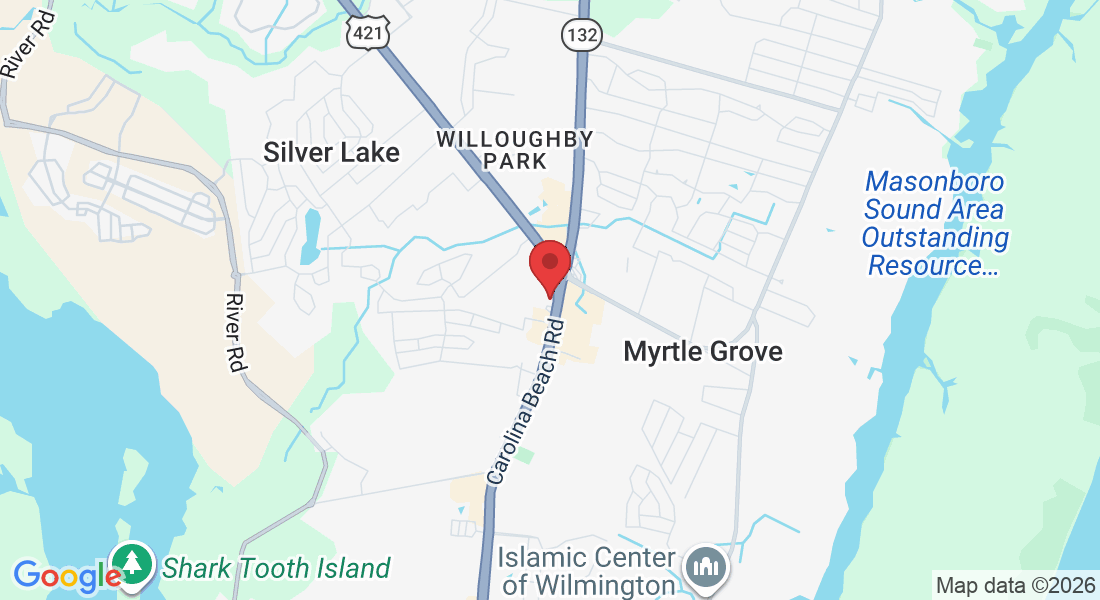
5552 Carolina Beach Rd, Ste F
Wilmington, NC 28412
Phone: (910)-395-5664
Operating Hours
Monday - 8 AM–12 PM
2–6 PM
Tuesday - 8 AM–12 PM
2–6 PM
Wednesday - 8 AM–12 PM
2–6 PM
Thursday - 8 AM–12 PM
2–6 PM
Friday - Closed
Saturday - Closed
Sunday - Closed


